

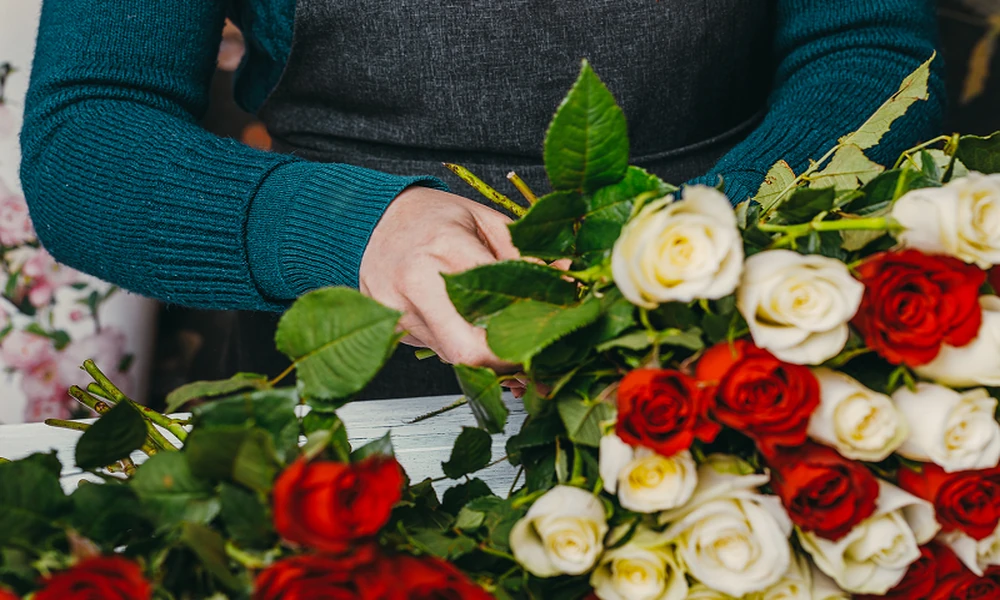
Roses have long been associated with affection, romance and significant personal occasions. Alongside colour, the number of roses in a bouquet can add another layer of symbolic meaning.
These meanings are based on flower-giving traditions rather than universal rules, and interpretations can vary between cultures and individuals. Understanding common conventions can nevertheless provide useful context when choosing a bouquet or arranging flower delivery in Singapore for a particular occasion.
What Do Small Numbers of Roses Mean?
Small rose bouquets are often used for simple, personal gestures. Common interpretations tend to focus on affection, partnership or straightforward expressions of romantic interest.
Frequently cited meanings include:
- 1 rose: Often represents love at first sight or a simple declaration of affection.
- 2 roses: Commonly associated with mutual affection between two people.
- 3 roses: Traditionally linked with the phrase “I love you”, reflecting the three words.
- 6 roses: Often interpreted as a desire to be with someone or as growing affection.
- 9 roses: Commonly associated with lasting or eternal love.
These interpretations are conventions rather than fixed definitions. The recipient, relationship and reason for giving the flowers can be more important than the numerical symbolism itself.
Small bouquets can therefore work when the intention is to communicate a concise message without relying on a large arrangement. As the number increases, traditional interpretations tend to become associated with stronger declarations or notable occasions.
What Do 10 to 24 Roses Symbolise?
Medium-sized bouquets can carry meanings associated with commitment, admiration and continued affection. They also provide more visual impact while remaining practical for many occasions.
Some commonly referenced rose counts include:
- 10 roses: Often used to express admiration or to indicate that the recipient is considered special.
- 12 roses: Traditionally associated with romantic commitment and is a familiar choice for expressing love.
- 18 roses: Often linked with sincerity and well wishes.
- 24 roses: Commonly interpreted as representing continuous affection, sometimes connected with the 24 hours in a day.
These numerical meanings can complement other elements of the bouquet. Red roses, for example, are conventionally connected with romantic love, while pink roses can signify admiration and gratitude.
That said, when using flower delivery, practical factors such as the recipient’s location, available display space and timing may also influence bouquet size. Symbolism can guide the decision, but the circumstances of the occasion remain relevant.
Overall, bouquets containing 10 to 24 roses generally sit between modest gestures and much larger declarations. Larger arrangements extend this principle further.
What Do Larger Rose Bouquets Mean?
Large rose bouquets are commonly associated with significant declarations, anniversaries and other major relationship milestones. Their meaning comes partly from traditional rose-count symbolism and partly from their physical scale.
Common examples include:
- 36 roses: Often associated with strong romantic affection or remembering shared romantic moments.
- 50 roses: Commonly interpreted as unconditional or enduring love.
- 99 roses: Traditionally associated with lasting love and the idea of loving someone for a lifetime.
- 100 roses: Often used to represent complete devotion or long-lasting commitment.
A 99-rose bouquet in Singapore, for example, may be selected when the giver wants to draw on the established symbolism attached to the number 99. However, cultural background and personal interpretation can affect how the gesture is understood.
Large arrangements also require practical consideration. Their size can make transportation, handling and display more complicated than with smaller bouquets.
In summary, larger rose counts are generally connected with stronger or longer-lasting expressions of affection. The symbolic meaning should still be considered alongside the practical circumstances of giving the flowers.
How Can You Choose the Right Number of Roses for an Occasion?
Choosing a rose count involves balancing symbolism, occasion and practicality. There is no requirement to follow traditional meanings, but they can provide a useful starting point.
Consider the following factors:
- Purpose: A simple gesture may suit a small bouquet, while an anniversary or major milestone may justify a larger arrangement.
- Relationship: Consider whether the traditional meaning matches the nature and stage of the relationship.
- Rose colour: Colour can reinforce or modify the message conveyed by the number.
- Recipient preferences: Some people may value a favourite colour or flower style more than numerical symbolism.
- Practicality: Large bouquets need sufficient space for transport, presentation and display.
That said, if considering a 99-rose bouquet, it is also useful to account for where and when the bouquet will be received. These details can help ensure the size of the arrangement is appropriate for the setting.
Ultimately, rose numbers provide symbolic context rather than strict rules. The most suitable count is one that fits the intended message, recipient and occasion.
Contact D’Spring to choose a rose arrangement that reflects the message you want to convey.
