

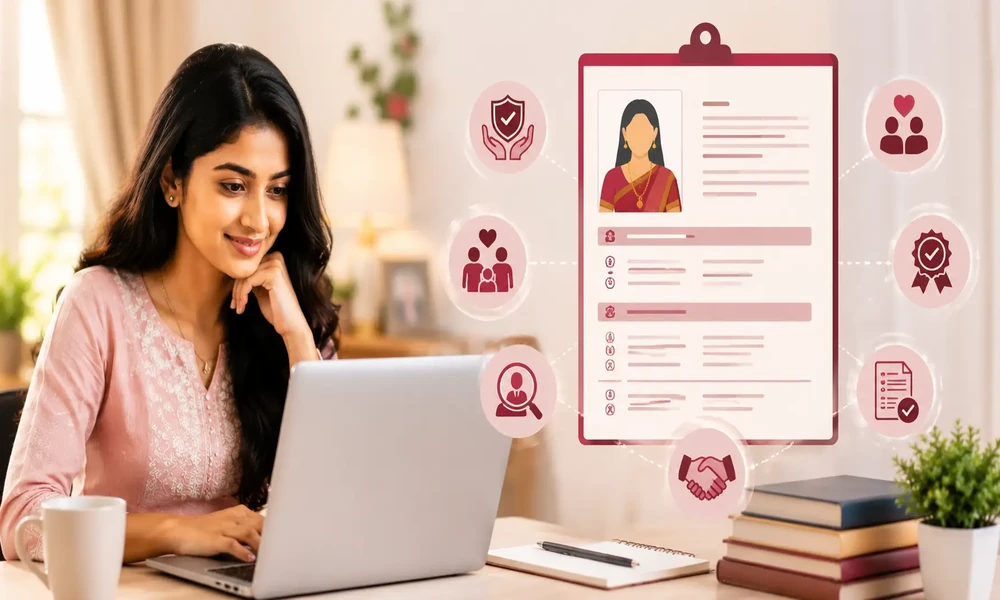
A marriage biodata is often the first introduction between you and a prospective match or their family. While details such as education, profession, family background, and personal preferences are important, your photograph is usually one of the first elements people notice.
Choosing the right photo, therefore, is about more than simply finding your best picture. The ideal marriage biodata photo should be recent, clear, natural, and representative of who you are. It should create a positive first impression while still feeling authentic.
Here are some practical tips to help you choose the right photograph for your marriage biodata.
1. Choose a Recent Photograph
One of the most important rules is to use a recent photograph. Avoid selecting a picture from several years ago simply because you looked particularly good in it.
Your biodata should give a prospective match an accurate idea of your current appearance. A recent photograph also helps avoid awkwardness or disappointment when families eventually meet in person.
Ideally, choose a photograph taken within the last six to twelve months, particularly if your appearance has changed significantly.
2. Make Sure the Photo Is Clear and High-Quality
A blurry or pixelated photograph can make an otherwise well-designed biodata look unprofessional.
Choose an image with good resolution where your face is clearly visible. If you’re taking a new photo using your phone, clean the camera lens first and make sure there is enough light.
You don’t necessarily need a professional photographer. Modern smartphones can produce excellent results when used in good lighting and with a steady camera.
3. Pay Attention to Lighting
Good lighting can make a significant difference to how a photograph looks.
Natural daylight is usually one of the easiest options. Standing near a window or taking the photograph outdoors in soft light can produce a clean and natural appearance.
Try to avoid:
- Extremely harsh sunlight
- Strong shadows across your face
- Very dark rooms
- Bright lights directly behind you
- Flash that makes the face look washed out
The goal is simple: your face should be evenly and clearly visible.
4. Keep the Background Simple
Your face should be the focus of the photograph, not what’s happening behind you.
A plain wall, uncluttered room, garden, or another simple setting can work well. Avoid backgrounds with too many people, objects, signs, or distracting colors.
A clean background also makes it easier to place your photograph neatly into a biodata template.
5. Dress in a Way That Represents You
There is no single “correct” outfit for a marriage biodata photo. Traditional Indian clothing, formal wear, and smart casual outfits can all be appropriate.
The important thing is that your clothing should be clean, presentable, and consistent with your personality.
For example, someone who normally prefers traditional clothing may feel more comfortable wearing a kurta or saree, while someone with a corporate lifestyle might prefer a formal or smart-casual outfit.
Don’t dress in a way that feels completely unlike you simply because you think it will impress someone.
6. Choose a Natural Expression
A natural smile can make a photograph feel much more approachable. You don’t need an elaborate pose or a professional model-like expression.
Look toward the camera, relax your shoulders, and use an expression that feels comfortable.
Avoid overly dramatic poses, excessive posing, or photographs where your face is difficult to see. A simple portrait that communicates confidence and warmth is usually a better choice.
7. Avoid Excessive Filters and Editing
Editing a photograph for brightness, cropping, or basic color correction is perfectly reasonable. However, heavy filters and face-altering effects are best avoided.
Your marriage biodata should represent the real you. Excessive skin smoothing, face reshaping, or beauty filters can create an unrealistic impression.
Remember that the purpose of the photograph isn’t to create a perfect social media picture. It is to help a prospective match and their family recognize and understand you.
8. Avoid Group Photos
A marriage biodata should make it immediately obvious who the profile belongs to.
For that reason, group photographs are generally not a good choice for the primary biodata photo. This includes photographs from weddings, parties, vacations, or family gatherings where you have cropped out other people.
If you want to include additional photographs, you can use individual pictures that show different aspects of your personality. However, your primary photograph should always be a clear individual portrait.
9. Consider Including More Than One Photo
If the biodata format allows it, including two or three carefully selected photographs can provide a more complete impression.
For example, you might use:
- One clear portrait as the primary photograph
- One traditional or full-length photograph
- One casual or lifestyle photograph
There’s no need to include a large collection of pictures. A few high-quality, relevant photographs are generally more effective than filling several pages with images.
10. Make Sure the Photo Works With Your Biodata Design
A good photograph should complement the overall design of your marriage biodata.
Consider how the picture looks when placed alongside your personal, educational, professional, and family details. The image shouldn’t be stretched, distorted, or so large that it pushes important information onto another page unnecessarily.
When creating a biodata digitally, look for a format that allows you to adjust the photo’s size, position, and shape. Some modern biodata tools provide options such as rectangular, circular, oval, or rounded photographs, making it easier to match the picture with the overall design.
If you’re starting from scratch, a free biodata template for marriage can make the formatting process much easier. You can focus on choosing the right photograph and entering your details while the template takes care of the overall presentation.
Common Photo Mistakes to Avoid
Before finalizing your marriage biodata, take a moment to check your photograph. Avoid using:
- Very old photographs
- Blurry or low-resolution images
- Heavy beauty filters
- Sunglasses that hide your eyes
- Mirror or bathroom selfies
- Party or nightclub photographs
- Group photos
- Photos with distracting backgrounds
- Images where your face is too far from the camera
- Heavily edited or AI-altered photographs
These small details can have a surprisingly large effect on the overall impression of your biodata.
A Simple Checklist Before You Choose
Is it recent? Is it clear? Is the lighting good? Does it look natural? Does it represent me accurately?
If the answer to all five is yes, you probably have a strong photograph for your biodata.
The photograph is only one part of the profile, of course. Your personal information, education, career, family background, interests, and expectations should all work together to give a balanced picture of who you are.
Create a Biodata That Represents You
A good marriage biodata doesn’t need to look overly complicated. What matters is that the information is organized clearly and presented in a way that feels genuine and easy to read.
Once you’ve selected your photograph, you can use a marriage biodata maker to bring everything together in a professionally structured format. A well-designed biodata can make it easier for prospective matches and families to understand the important details at a glance.
Ultimately, the best marriage biodata photograph isn’t necessarily the most glamorous one. It’s the photograph that is recent, clear, natural, and genuinely representative of you. Choose a picture that you’re comfortable sharing and that gives others an honest first impression-and let the rest of your biodata tell the story.
